Haryana prisons to start skill centres and diploma courses
Skill development centres and diploma courses to begin in Haryana prisons
- By Gurmehar --
- Friday, 05 Dec, 2025
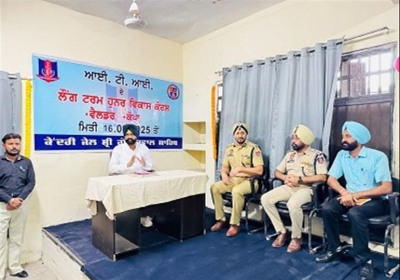
The Haryana government, along with the Punjab and Haryana High Court, is launching a major new initiative to bring skill development and technical education directly inside the state’s prisons. This step marks a big change in how the state looks at correctional systems and rehabilitation. The new programmes will officially begin on December 6, when Chief Justice of India Surya Kant inaugurates the first set of centres at the Gurugram district prison.
According to government officials, the goal of this initiative is to give inmates the kind of education and training that will help them find employment once they complete their sentences. Instead of leaving prisons unprepared for life outside, inmates will now have the opportunity to learn useful skills, earn diplomas, and train in trades that are currently in demand in different industries across India.
The programmes being introduced are wide-ranging and cover both technical and vocational training. These include ITI-level courses such as Computer Operator and Programming Assistant, Welder, Plumber, Grease Maker, Electrician, Woodwork Technician, Sewing Technology, and Cosmetology. Along with this, inmates will also be able to pursue a three-year polytechnic diploma in Computer Engineering, which is one of the most sought-after fields in the job market today.
Officials said that the courses have been selected after considering the needs of the industry and employment trends. By offering training that is aligned with real job opportunities, the government hopes to ensure that inmates have a fair chance of finding meaningful work after their release. The idea is that education and skills will give them a strong foundation, reduce uncertainty, and help them avoid falling back into crime.
The government spokesperson said the focus is not only on teaching technical skills but also on building the confidence and discipline needed for personal growth. Many inmates come from difficult backgrounds and have had limited access to good education or opportunities. By learning new skills and completing recognised courses, inmates can feel a renewed sense of purpose and self-worth. The training centres inside the prisons are designed to create a positive learning environment where inmates can experience structure, motivation, and encouragement.
This shift towards educational programmes in prisons is part of a broader vision of rehabilitation. The spokesperson explained that the government wants to change how society views people who have served jail time. Often, inmates face rejection and discrimination once they are released, which makes it difficult for them to rebuild their lives. Without support or opportunities, many end up returning to illegal activities. The new initiative aims to break this pattern by giving inmates the tools they need to stand on their own feet.
Programme aims to reduce repeat offences and promote rehabilitation
One of the major goals of the new training initiative is to reduce recidivism, which means the tendency of former inmates to commit crimes again. Studies around the world have shown that when inmates receive education and vocational training, they are less likely to return to prison in the future. Having job-ready skills increases their chances of earning an income legally and living a stable life. The Haryana government believes that by investing in inmates’ development, the entire society benefits.
The spokesperson said the programme reflects a human-centred approach to justice. Instead of focusing only on punishment, the state wants to help inmates reform, learn, and integrate back into society as responsible citizens. The idea is based on the principle that everyone deserves a second chance and that people can change when given proper guidance and opportunities. By helping inmates build a strong future, the government hopes to create safer communities in the long run.
Another important part of the initiative is preparing inmates for economic independence. Many people leave prison with no financial security and no job, which makes them vulnerable to negative influences. With recognised diplomas and vocational certificates, inmates will be able to apply for private-sector jobs, start small businesses, or work in skilled trades. The courses are designed to match industry needs, so employers will find value in hiring trained inmates when they return to society.
The spokesperson added that such programmes also create a positive atmosphere inside prisons. When inmates focus on learning and improving themselves, it reduces stress, encourages cooperation, and supports mental well-being. Prisons become not just places of confinement but spaces where individuals can rebuild their lives.
The initiative has been widely welcomed by reformers, legal experts, and social workers who have long argued that rehabilitation must be at the centre of the justice system. With the involvement of the High Court and the Chief Justice of India, the programme also carries strong institutional support, which increases its chances of success and long-term continuity.
In the coming months, the government plans to expand the programme to more prisons and introduce additional courses as needed. The experience of the first batch of inmates will help shape the next phase of the project. The state hopes that this model can eventually serve as an example for other regions looking to improve their correctional systems.
Overall, the launch of these skill development centres and diploma courses marks a hopeful new beginning for inmates in Haryana. By combining education with rehabilitation, the initiative aims to give inmates a fair chance at rebuilding their lives, contribute positively to society, and step into a future filled with dignity and opportunity.
Related News